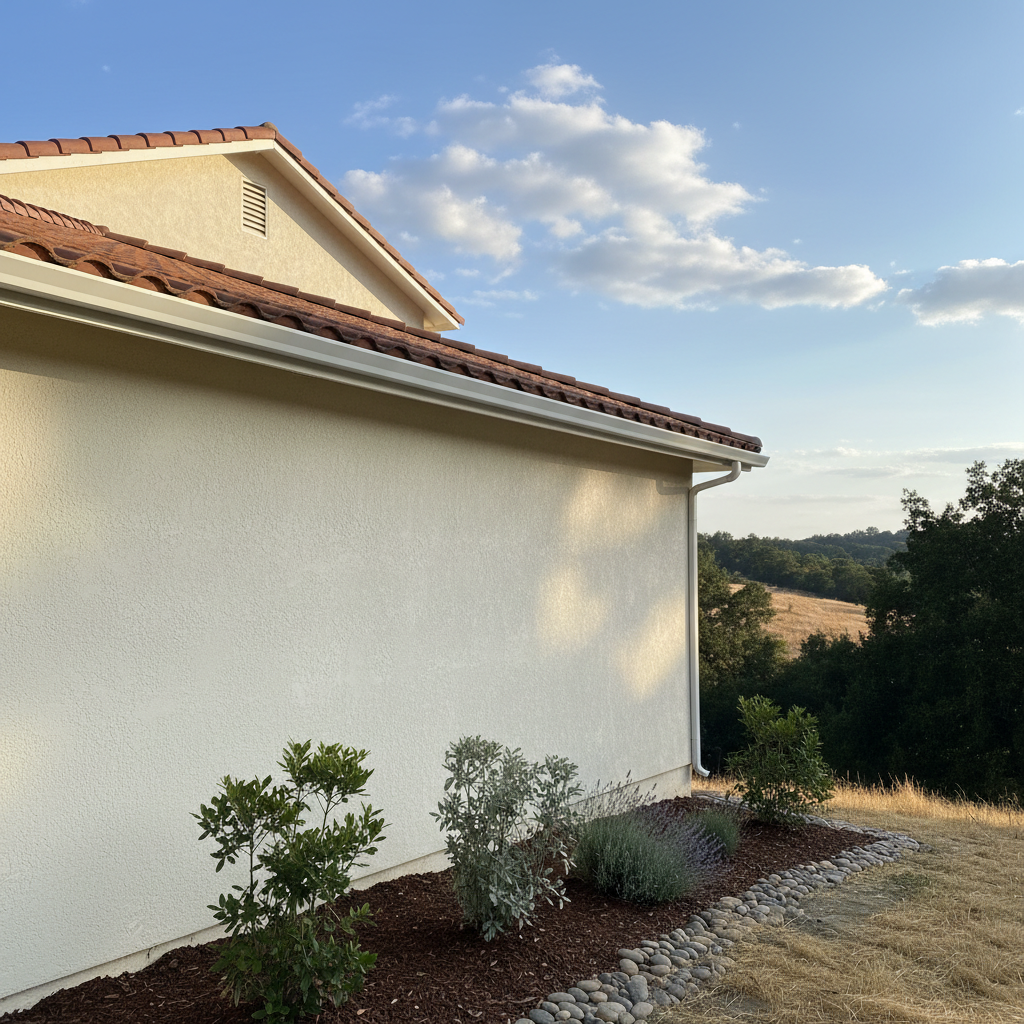
Extend the Life of Your Commercial Stucco
Running a business in Citrus Heights means you've got a lot on your plate. The last thing you need is your building's exterior looking shabby or, worse, failing prematurely. Stucco is a tough, durable finish, but it's not set-it-and-forget-it, especially on a commercial property. You've got more foot traffic, more potential for dings, and the elements are always at work.
The biggest thing you can do to extend the life of your commercial stucco is simple: keep it clean and address small issues before they become big ones. Think of it like changing the oil in your company vehicle. Regular, simple maintenance prevents major breakdowns.
Regular Maintenance for Commercial Stucco
Maintaining commercial stucco isn't rocket science, but it does require a bit of attention. Here's what I recommend to my clients:
Annual Cleaning: Dirt, dust, and even mildew can build up, especially on north-facing walls that don't get as much sun. A gentle power wash (low pressure!) with a mild detergent is usually all it takes. Be careful not to blast the stucco directly or too close, as you can damage the finish. If you're not sure, hire a professional cleaner who knows how to handle stucco. You'd be surprised how much better a clean building looks.
Inspect for Cracks and Damage: Walk around your building at least once a quarter, or after any significant weather event. Look for hairline cracks, chips, or areas where the stucco might be separating from the substrate. Pay extra attention around windows, doors, and rooflines – these are common spots for water intrusion.
Maintain Landscaping: Keep plants, bushes, and trees trimmed away from the stucco. Foliage rubbing against the wall can scratch the surface, trap moisture, and even provide pathways for pests. Plus, roots can sometimes cause foundation movement that impacts your stucco over time, especially with the expansive clay soils we have around here.
Check Drainage: Make sure your gutters and downspouts are clean and directing water away from the building's foundation. Ponding water near the base of your stucco walls is a recipe for disaster, leading to moisture wicking up into the material and causing damage.
Warning Signs of Stucco Problems
You don't want to wait until you have a gaping hole in your wall. Catching problems early saves you a lot of headaches and money. Here are some red flags:
Discoloration or Stains: Dark streaks, especially under windows or near the roof, often indicate water intrusion. Green or black patches could be mold or mildew, which means moisture is present.
Cracks: While hairline cracks are normal, larger cracks (wider than a credit card) or cracks that spiderweb or run horizontally or vertically for long distances can be a sign of structural movement or significant moisture damage.
Bulging or Soft Spots: If you press on the stucco and it feels soft, spongy, or bulges out, that's a serious sign of water damage and likely rot underneath. Don't ignore this.
Peeling Paint or Finish: If any paint or coating on your stucco is peeling, blistering, or flaking off, it could mean moisture is trapped behind it, trying to escape.
Efflorescence: This is that white, powdery substance you sometimes see. It's mineral salts left behind when water evaporates from the stucco. It's a clear indicator that water is getting into and through your stucco.
When to Call a Professional
Look, I'm a big believer in DIY for small things, but some jobs are best left to the pros. For stucco, that's definitely true when:
You see significant cracking or damage: If it's more than a small patch, you need someone who understands the underlying structure and proper repair techniques. A bad patch job can actually make things worse.
You suspect water intrusion: This is critical. Water behind stucco can lead to rot, mold, and structural damage that's incredibly expensive to fix. If you see persistent staining, bulging, or efflorescence, get a professional inspection immediately. We've seen plenty of homes and businesses in neighborhoods like Sunrise Ranch where water issues were ignored, leading to major headaches.
You need a full re-dash or re-coat: If your stucco is looking tired and faded, or if the finish is deteriorating over large areas, it might be time for a fresh coat. This isn't just about aesthetics; it's about protecting your building. Citrus Heights Stucco & Plastering can assess the condition and recommend the best solution.
You're not comfortable doing the work yourself: There's no shame in calling in an expert. Stucco repair requires specific skills and materials to ensure it blends seamlessly and performs correctly.
Taking care of your commercial stucco isn't just about curb appeal; it's about protecting your investment and preventing costly repairs down the line. A little attention now can save you a lot of money and stress later.