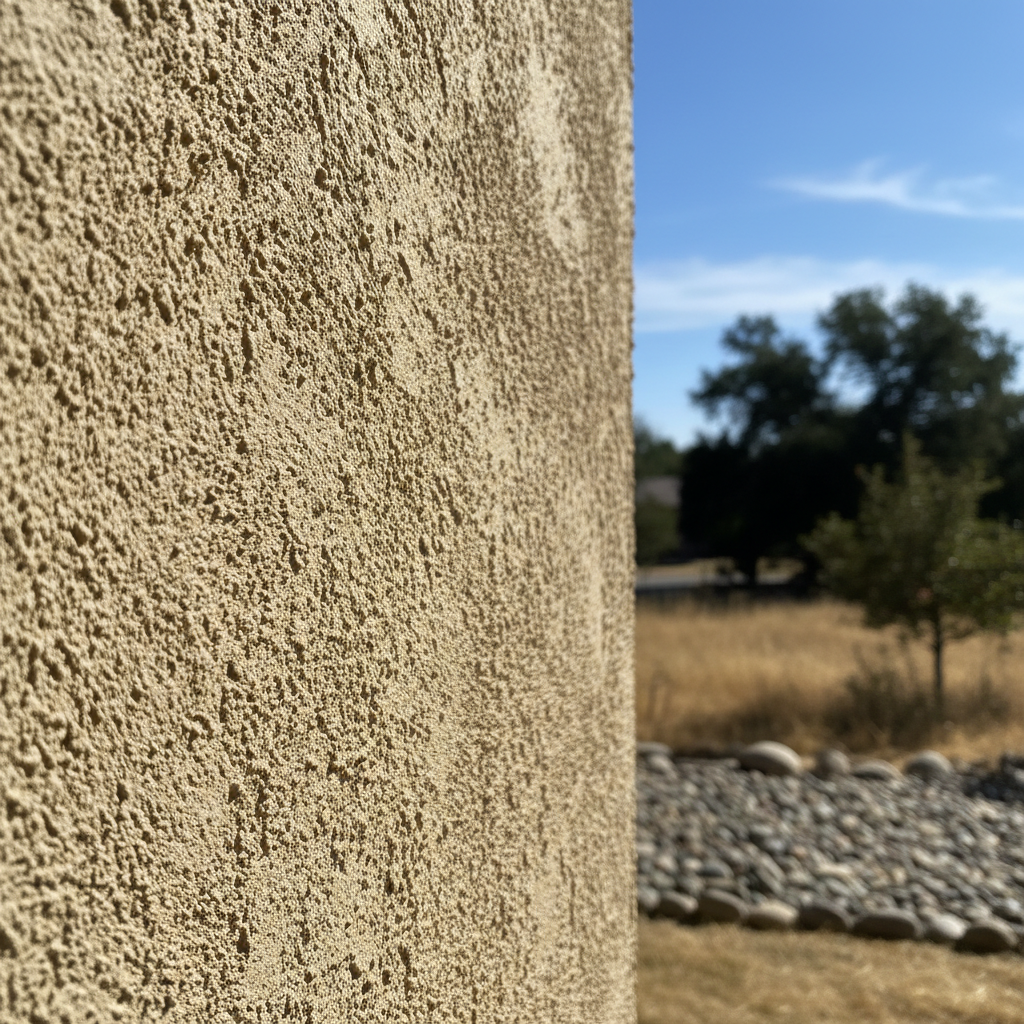
Before You Start: What to Know About Your Stucco
Alright, let's talk about inspecting your stucco. If you're a homeowner in Citrus Heights, chances are you've got stucco on your place. That's great! It's a tough, good-looking exterior that, when put on right, can really last for decades. But like anything else on your house, it needs a little looking after. The main thing to grasp from the get-go is that stucco isn't totally waterproof; it's made to shed water and let the wall breathe. If water gets stuck behind it, that's when you're in for some real trouble.
Before you even think about grabbing a ladder, get this straight: you absolutely should give your stucco a visual once-over regularly. I'm talking at least once a year, maybe more if we've had a particularly wet winter or, you know, a crazy hot summer. You're just looking for big red flags, not trying to figure out complicated problems. Think of it like checking your car's oil — you don't need to be a mechanic to spot when it's low.
If you're buying or selling a stucco home, especially one built with wood framing, getting a professional stucco inspection is pretty much a must. A regular home inspection just won't cut it for stucco; you really need someone who specializes in it. They're the ones who can find those hidden flaws that could turn into seriously expensive fixes down the road.
Your DIY Visual Inspection: What to Look For
Okay, so you're ready for your yearly visual check. Here's what I tell folks to keep an eye out for:
- Cracks: You'll see tiny hairline cracks, and that's usually normal. Stucco moves with temperature changes, and your house settles a bit, right? But if you spot cracks wider than a credit card, or if they're spreading, those are big warning signs. Water can sneak right in there.
- Stains or Discoloration: Dark streaks, brown or black stains, or even just a general change in color can mean moisture is getting in and hanging around. Pay extra close attention around windows, doors, and corners.
- Bulging, Soft Spots, or Loose Stucco: If the stucco looks like it's bubbling, pushing out, or if it feels soft and spongy when you gently press on it, that's a sign of water damage or that it's pulling away from the wall. If pieces are flaking off or falling away, well, that's a serious problem.
- Gaps Around Openings: Check all around your windows, doors, and any pipes or electrical lines poking through. If the caulk is cracked, brittle, or just plain missing, water can easily sneak behind the stucco.
- Drainage Issues: Look at the very bottom of your stucco. There should be a gap between the stucco and the ground or your foundation, usually with a