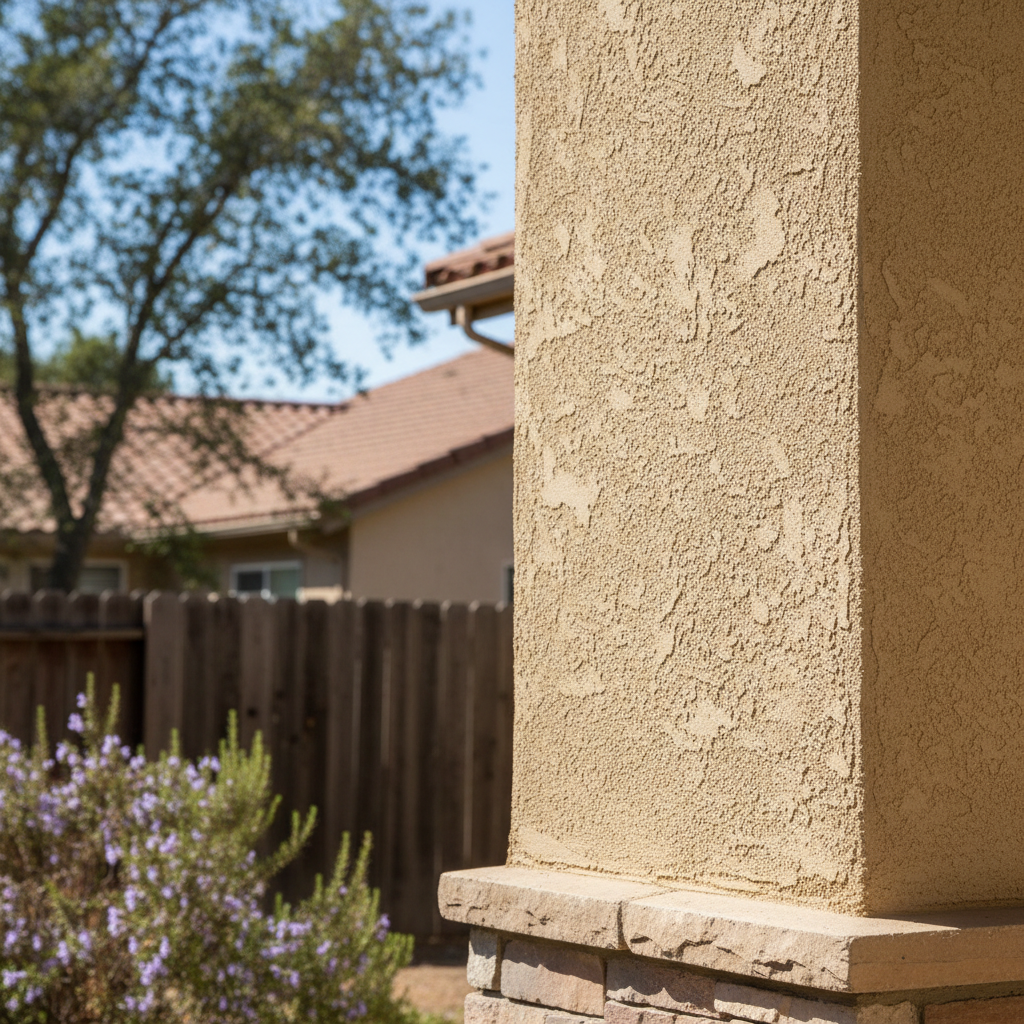
Your stucco's looking a bit tired, huh? Maybe it's faded, got some minor hairline cracks, or just doesn't have that curb appeal it once did. That's where stucco redashing comes in. It's basically putting a fresh, thin coat of stucco right over your existing finish. This can make your house look brand new without the full tear-off and re-stucco expense, which is a big deal. But before you grab a trowel, let's talk about what's involved and when you should really call in the pros.
What Exactly Is Stucco Redashing?
Think of redashing like giving your house a fresh coat of paint, but with stucco. You're not replacing the entire system, just the very top layer – the finish coat. It's a great way to revitalize your home's look, change the color, or even update the texture. It can cover up minor imperfections and bring back that sharp, clean appearance your house had when it was new. Plus, it's a lot less invasive than a full re-stucco job, which involves tearing everything down to the sheathing.
Before You Start: Is Redashing Right for Your Home?
This is the big question, and it's where a lot of homeowners get it wrong. Redashing only works if your existing stucco is structurally sound. If you've got major cracks, bulging, water damage, or sections falling off, redashing won't fix those underlying problems. It's like putting a band-aid on a broken leg – it might look better for a bit, but the real issue is still there, and it'll just get worse, trust me.
- Check for structural integrity: Walk around your house. Tap on the stucco in different spots. Does it sound hollow? Are there soft spots? Are there big, spiderweb cracks or chunks missing? If so, you're probably looking at repairs or even a full re-stucco, not just a redash.
- Look for water intrusion: Any signs of water stains, mold, or efflorescence (that white powdery stuff) coming through the stucco? That's a red flag. Redashing won't stop water from getting in; it might even trap it.
- Consider the age: If your stucco is really old, especially if it's from before modern building codes, it might be better to assess the entire system. Older homes in areas like Old Auburn Road or Greenback Lane might have stucco that's seen better days, and a simple redash might not be enough to prevent future issues.
- Moisture issues: We get some pretty hot, dry summers here in Citrus Heights, but we also get our share of rain. If your stucco isn't draining properly, or if you have flashing issues around windows and doors, redashing won't solve that.
If your stucco is mostly in good shape – just faded, dirty, or has very minor, superficial cracks – then redashing is definitely an option.
The DIY vs. Pro Decision
Okay, so your stucco passed the inspection. Now what? Can you redash it yourself?
Here's the honest truth: applying stucco, even just a finish coat, is an art and a skill. It's not like painting a wall. You're working with a heavy, wet material that sets up quickly, and you need to get a consistent texture and thickness across a large surface. It takes practice, the right tools, and an understanding of how the material behaves.
- What you CAN realistically DIY:
- Cleaning the existing stucco: This is crucial. You'll need to power wash it thoroughly to remove dirt, grime, and loose paint. Make sure it's completely dry before any new material goes on.
- Minor crack repair: If you have tiny hairline cracks, you can fill them with a good quality elastomeric caulk or a stucco patch specifically designed for small repairs. Don't go overboard; remember, if the cracks are significant, redashing isn't the solution.
- Masking and prep work: Taping off windows, doors, and trim is something any homeowner can do. Protect your landscaping too!
- When to call a pro (and why):
- Achieving a consistent finish: This is the hardest part for a DIYer. Getting an even texture (like a sand finish, dash finish, or smooth finish) across an entire wall without noticeable seams or inconsistencies is incredibly difficult. Pros have the experience and specialized tools (like hawk and trowel, or even spray rigs) to do this seamlessly.
- Mixing the material: Stucco mix ratios are important. Too much water, and it's weak; too little, and it's hard to work with. Pros know the exact consistency needed for different applications and weather conditions.
- Working with scaffolding/ladders: If you have a two-story house or high gables, working safely at height while applying stucco is a job for experienced professionals.
- Time and effort: This isn't a weekend project. Stucco work is physically demanding and time-consuming. A pro can get it done efficiently and correctly.
- Warranty: A reputable stucco contractor, like us at Citrus Heights Stucco & Plastering, will stand behind their work. If something goes wrong, you're covered.
The Redashing Process (When a Pro Does It)
If you decide to hire us (or another qualified pro), here's a general idea of what you can expect:
- Thorough Cleaning & Prep: We'll power wash your existing stucco, make sure it's free of loose debris, and address any minor surface issues. We'll also mask off all windows, doors, and trim.
- Bonding Agent Application: Sometimes, especially over very smooth or painted surfaces, a bonding agent goes on first. This helps the new finish coat stick properly to the old stucco.
- Applying the Finish Coat: This is where the magic happens. We'll mix the stucco to the perfect consistency and apply it evenly, creating your desired texture. This is usually done in one continuous pass to avoid cold joints and inconsistencies.
- Curing: Stucco needs to cure properly. We'll advise you on keeping it moist (misting it with water) for a few days, especially during our hot Citrus Heights summers, to ensure it hardens correctly and prevents cracking.
After the Redash: Maintenance Tips
Once your home has its fresh new stucco, you want to keep it looking good. It's pretty low maintenance, but a few things will help:
- Regular cleaning: Just like any exterior, it'll get dirty. A gentle wash with a hose and a soft brush, or a low-pressure power wash every couple of years, will keep it looking fresh.
- Inspect annually: Take a walk around your house once a year. Look for any new cracks, signs of water intrusion, or areas where the stucco might be chipping. Catching small issues early saves you money down the road.
- Address landscaping: Keep bushes and trees trimmed away from the stucco. Direct contact can trap moisture and cause problems.
Redashing can really breathe new life into your home's exterior. If your stucco is in good shape and just needs a facelift, it's a fantastic option. Just be honest with yourself about the scope of work and your own skills. For most homeowners, especially for a consistent, professional finish that lasts, bringing in a local expert like Citrus Heights Stucco & Plastering is usually the smartest move.