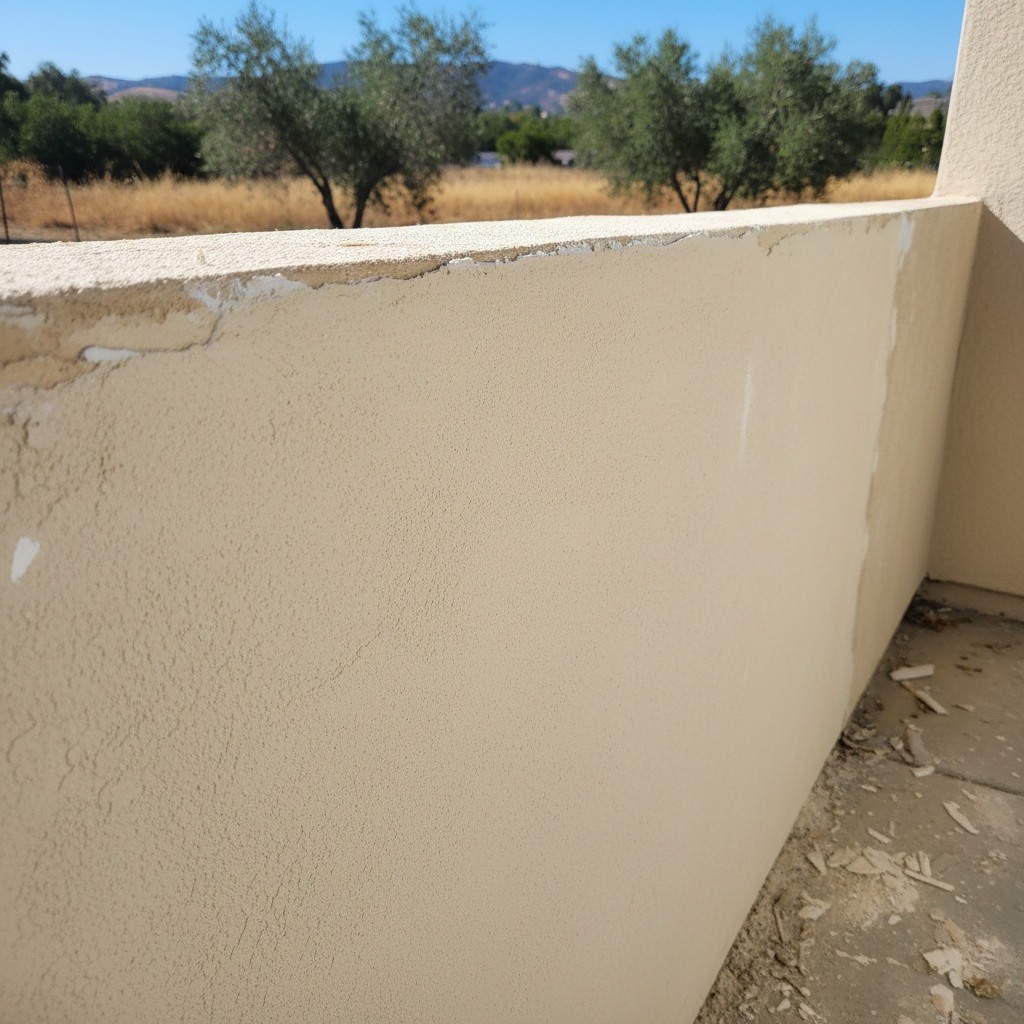
Why would someone even want to remove stucco? Isn't it good?
That's a fair question, and yeah, stucco is a fantastic siding material when it's done right and maintained. I've built my whole business, Citrus Heights Stucco & Plastering, around it. But sometimes, it's just not the right fit anymore, or it's reached the end of its life. I see a few main reasons folks around here decide to pull it off. Maybe it's an older home, and the stucco is original, meaning it's been patched a dozen times, it's cracking all over, or it's just looking really dated. Sometimes, homeowners want to change the whole look of their house – go for a more modern siding like fiber cement or even brick. Or, and this is a big one, if there's been extensive water damage behind the stucco that wasn't caught early, sometimes the most cost-effective solution is to remove it entirely to fix the underlying issues and then re-side with something else. It's not usually because stucco is 'bad,' but more about what's best for that specific house and homeowner.
What's actually behind the stucco once you take it off?
Good question. This is where things can get interesting, and sometimes, a little surprising. Most of the time, especially on older homes in areas like Old Auburn Road or the older parts of San Juan, you'll find the original wood sheathing – usually plywood or OSB, but sometimes even plank sheathing. Underneath that, there's typically a weather-resistant barrier (WRB), like tar paper or a synthetic house wrap. This is crucial for keeping water out. Then, there's usually a metal lath, which is what the stucco was keyed into. On some older homes, you might even find chicken wire or a different type of wire mesh. What we're really looking for when we pull it off is the condition of that sheathing and the framing behind it. We want to make sure there's no rot, mold, or insect damage. If there is, that's a whole other can of worms we need to address before putting anything new on.
Is stucco removal a messy job? How bad is the dust?
Oh boy, is it messy. You bet it is. Stucco is basically cement, sand, and water, and when you start breaking that up, it creates a lot of dust. I'm talking fine, powdery dust that gets everywhere if you're not careful. We always take precautions: we'll put up plastic sheeting, tarp off landscaping, and try to contain it as much as possible. But honestly, you're going to have some dust. It's just the nature of the beast. We also generate a lot of debris – chunks of stucco, lath, nails, all that stuff. So, yes, it's a dirty, dusty job, and it requires careful cleanup. We're not just going to leave a pile of rubble in your yard; we haul it all away. But prepare for your property to look like a construction zone for a bit.
How long does it typically take to remove stucco from an average-sized house?
That depends on a few things: the size of your house, how many stories it is, and what kind of stucco system was used. A smaller, single-story ranch home, say around 1,500 square feet, might take my crew a few days to a week to strip down. For a larger, two-story house, especially one with a lot of architectural details or tricky access points, you could be looking at two to three weeks, or even more. We've got to be careful not to damage the underlying structure, and sometimes the stucco is really well adhered, making it tougher to get off. Plus, if we find unexpected issues like rotten sheathing or framing, that adds time because we have to fix those problems before we can move forward. It's not a race; it's about doing it right.
What kind of damage can happen to my house during the removal process?
This is where hiring an experienced crew really pays off. If you've got someone who doesn't know what they're doing, you can end up with a real mess. The biggest risk is damaging the sheathing or even the wall studs underneath. If you're prying off stucco too aggressively, you can splinter wood, create holes, or compromise the structural integrity. We've also got to be super careful around windows, doors, and any penetrations like electrical conduits or plumbing vents. You don't want to accidentally smash a window or cut into a live wire. There's also the potential for damage to landscaping, driveways, or other parts of your property from falling debris if proper protection isn't in place. That's why we take our time, use the right tools, and have a system for safely removing the stucco.
Will I need to replace my windows or doors after stucco removal?
Not necessarily, but it's definitely something to consider, especially if your windows and doors are older. When stucco is applied, it's often integrated with the window and door flashing. So, when you remove the stucco, you're exposing those flashing details, and sometimes they're not in great shape, or they weren't installed correctly to begin with. If your windows are old and drafty, or if the flashing around them looks compromised, this is an ideal time to replace them. It's much easier to install new windows and properly flash them when the exterior walls are exposed down to the sheathing. You'll save money on labor in the long run because you won't have to pay someone to come back and do it later. It's an opportunity to upgrade and make sure everything is sealed up tight, which is especially important with our hot summers and occasional heavy winter rains here in Citrus Heights.
After the stucco is off, what are my options for new siding?
Once that old stucco is gone and we've prepped the underlying walls, your options really open up. It's like a blank canvas for your home's exterior. The most common choices I see folks go with are fiber cement siding, like HardiePlank, which is super durable and comes in a ton of styles and colors. It holds up great to our local climate. Then there's vinyl siding, which is a more budget-friendly option and pretty low maintenance. Some people opt for wood siding, like cedar shingles or clapboard, for a classic look, but that requires more upkeep. You could also go back with a new stucco system, maybe a modern synthetic stucco (EIFS) or a traditional three-coat system, if you like the look but want something fresh and properly installed. Brick or stone veneer is another beautiful, long-lasting option, though it's usually more expensive. It really comes down to your budget, the aesthetic you're going for, and how much maintenance you're willing to do down the road.
Do I need a permit for stucco removal in Citrus Heights?
Yes, you absolutely do. Any big exterior change to your home, especially one that involves removing and replacing a major siding material, will require a permit from the City of Citrus Heights. This isn't just bureaucracy; it's to make sure that the work is done safely and up to code. When we remove the stucco, we're exposing the structural components of your home, and the city wants to ensure that any repairs or new installations meet current building standards. We handle all the permitting paperwork for our clients. It's part of the service. Trying to skip the permit process can lead to fines, delays, and even having to tear out work that wasn't approved. It's just not worth the headache, trust me.