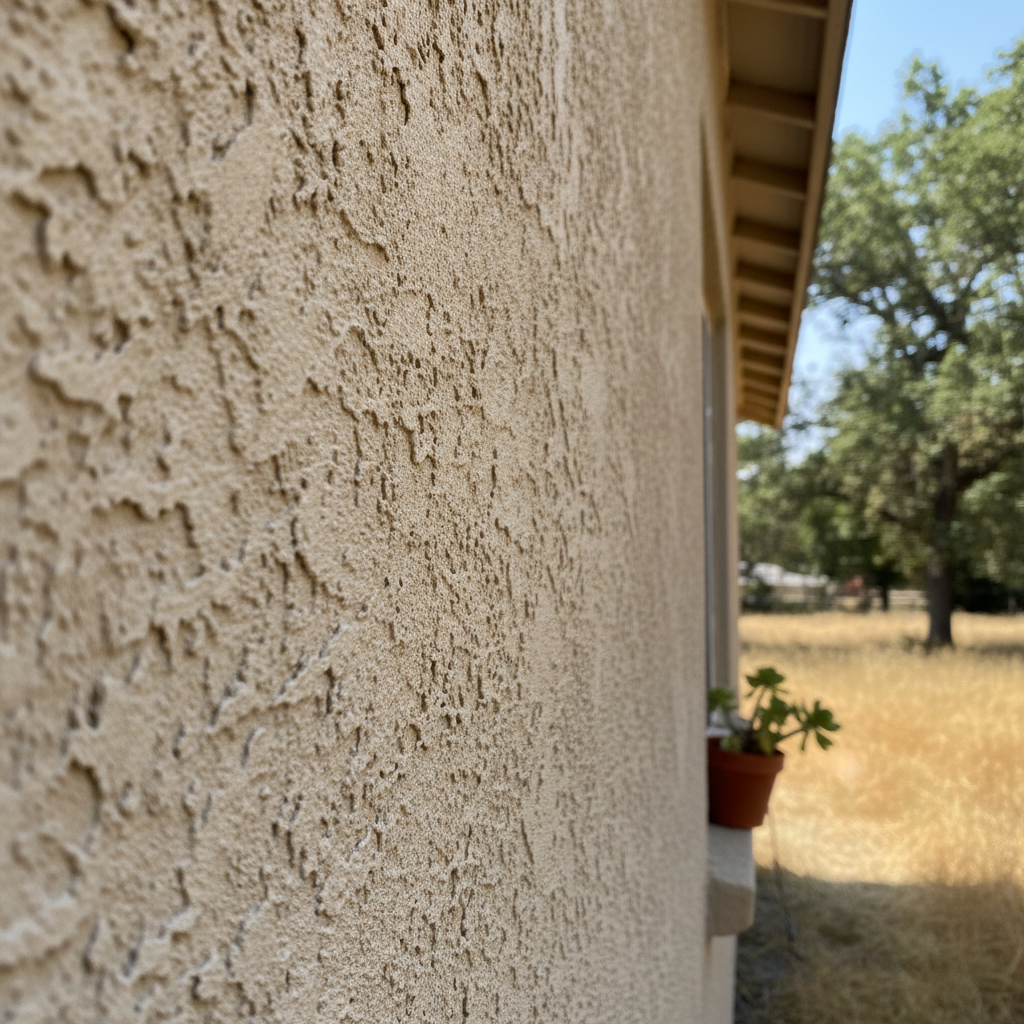
Got some cracks or holes in your stucco? It’s a pretty common sight around Citrus Heights, especially with our hot summers and those occasional heavy rains we get. You might be wondering if it's something you can tackle yourself or if you need to call someone like us at Citrus Heights Stucco & Plastering. Let's break it down, shall we?
Before You Start: Assess the Damage
Before you even think about buying materials, you've got to figure out what kind of damage you're dealing with. Not all stucco problems are created equal, you know.
- Hairline Cracks: These are super common. They're usually just surface-level and happen from normal house settling or temperature changes. You can often handle these yourself.
- Spiderweb Cracks: A bit more extensive than hairline, but still usually cosmetic. Again, often DIY-friendly.
- Impact Holes or Larger Cracks: Maybe a kid hit a ball a little too hard, or something fell against the wall. If it's a small hole, you might be able to patch it. If it's bigger than a few inches, or deep, you're definitely getting into pro territory.
- Bulging or Soft Spots: This is a red flag. It almost always means there's water getting behind the stucco, and that's a job for a professional. You don't want to just patch over a moisture problem, trust me.
- Stucco Falling Off: If pieces are literally detaching from your wall, you've got a bigger issue than a simple patch can fix. This often points to a problem with the lath or how it was originally put on.
Think about where the damage is too. Is it near a window, a door, or the roofline? Those are areas where water intrusion is more likely, so you need to be extra careful there.
What You Can Realistically DIY
For those small, superficial cracks and minor impact holes, you can definitely give it a shot. Here’s the general idea:
- Clean the Area: First, you need to clean out any loose debris from the crack or hole. A stiff brush and maybe a little water (let it dry completely!) works well. You want a clean, stable surface, right?
- Undercut the Edges (for holes/larger cracks): If you have a hole, you'll want to carefully chip away at the edges so they're wider on the inside than on the outside. This creates a